Source heavy duty iron folding stool for Hotel, Home, and Event Use
Compare 30 listings for the heavy duty iron folding stool with varying features like foldable designs, modern styles, and weight capacities up to 300 lbs. Buyers can evaluate options from China with different materials and packing types to find the right fit for hotel, home, or event applications.
Key considerations
Products List


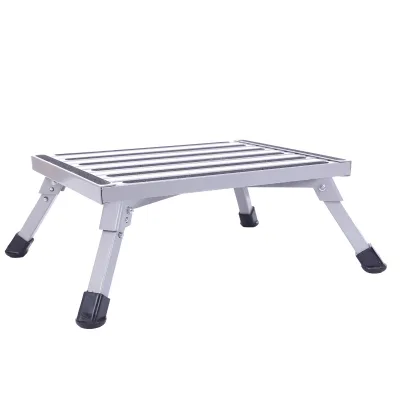


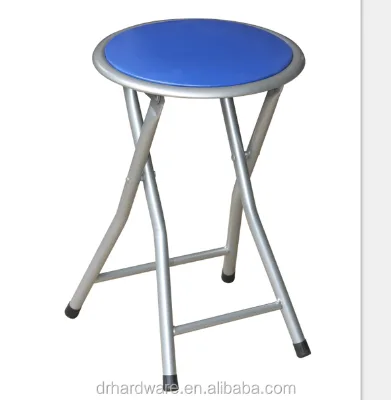


Comprehensive Sourcing Guide
Heavy Duty Iron Folding Stool Sourcing Guide
Sourcing heavy duty iron folding stools requires a disciplined approach to balancing structural integrity with logistical efficiency. These items are ubiquitous in commercial and residential settings, serving as temporary seating for events, retail displays, or compact living spaces. The core challenge for buyers lies in verifying that the "heavy duty" designation is backed by measurable engineering rather than marketing language. Iron is a cost-effective material that offers high compressive strength, but its susceptibility to corrosion and weight penalties necessitates rigorous specification checks. Buyers must navigate a market where product attributes vary significantly, from fixed to rotary mechanisms and varying surface treatments, to ensure the selected unit meets the specific load-bearing and aesthetic requirements of the end-use environment.
The procurement process is further complicated by the diversity of manufacturing origins and packing methods observed in current listings. While many suppliers originate from major industrial hubs in China, the specific regional capabilities can influence quality consistency and lead times. Furthermore, the physical dimensions and packing configurations—ranging from standard cartons to box packaging—directly impact freight costs and storage efficiency. A successful sourcing strategy involves moving beyond superficial visual inspections to demand detailed technical data sheets that confirm material thickness, weld quality, and finish durability. This guide provides a structured framework for evaluating these critical factors, ensuring that procurement decisions are grounded in verifiable evidence rather than assumed performance.
Product Scope and Observed Listing Signals
The current market landscape for heavy duty iron folding stools reveals a wide spectrum of product configurations, indicating that buyers must carefully filter listings based on specific functional needs. Observed data points to a price range of $2 to $69.9 USD, which suggests significant variation in material quality, manufacturing complexity, and included accessories. This broad range often correlates with differences in weight capacity, with some units rated for up to 300 lbs, while others may serve lighter, decorative purposes. Buyers should be cautious of listings that claim heavy-duty status without explicitly stating load limits or material gauges, as the lower end of the price spectrum may correspond to thinner iron alloys or less robust joint mechanisms.
Listing signals also highlight diverse design styles and functional attributes that impact usability. Products are described with attributes such as "Modern," "Contemporary," and "Simple" styles, alongside specific features like "Foldable" and "Eco-Friendly" claims. Some units are noted as having a "Fixed" rotary mechanism, while others may offer adjustable heights, such as ranges between 70-100cm or 90-135cm. Additionally, the presence of armrests varies, with many heavy-duty options listed as "Without Armrest" to maximize portability and stackability. Buyers must cross-reference these visual and descriptive cues with technical specifications to ensure that the aesthetic preferences do not compromise the structural requirements of the intended application.
Technical Specifications to Verify
Verifying the technical specifications of iron folding stools is paramount to ensuring safety and longevity, particularly when the product is marketed as heavy duty. The primary material is consistently identified as iron or steel, but the specific grade and thickness of the metal are critical differentiators. Buyers should request detailed material specifications, including the gauge of the iron tubing and the type of steel used for joints and hinges. For instance, some listings mention stainless steel components, which offer superior corrosion resistance compared to standard iron. Understanding the material composition helps in predicting the stool's resistance to bending under load and its overall durability in high-traffic environments.
Structural design elements, such as the folding mechanism and surface treatment, also require close scrutiny. The observed data indicates that some units undergo hot-dip galvanization, a process that provides a thick, durable zinc coating to protect against rust and corrosion. This is particularly important for stools used in outdoor or humid environments. Additionally, the construction properties, such as whether the stool is a floor-type scaffold or a simple folding chair, dictate its stability. Buyers should verify the type of welds used at stress points and the presence of any locking mechanisms that prevent accidental folding during use. Confirming these details ensures that the stool can withstand repeated folding and unfolding cycles without structural failure.
Compliance and Safety Documentation
Compliance and safety documentation are essential components of the procurement process, even for seemingly simple items like folding stools. While specific certifications such as CE or ISO 9001 are mentioned in background data, buyers must verify the current validity and scope of these certifications for each supplier. CE marking, for example, indicates conformity with health, safety, and environmental protection standards for products sold within the European Economic Area. Buyers should request copies of these certificates and cross-check them with the issuing bodies to ensure they are authentic and up-to-date. This due diligence helps mitigate legal risks and ensures that the products meet the regulatory requirements of the target market.
In addition to formal certifications, buyers should seek out test reports that validate the load-bearing capacity and stability of the stools. These reports should be generated by independent third-party laboratories and include details of the testing methodology, such as static load tests and dynamic fatigue tests. For heavy-duty stools, it is crucial to confirm that the stated weight capacity, such as 300 lbs, has been rigorously tested under controlled conditions. Buyers should also inquire about any specific safety standards related to furniture stability, such as those from ASTM or EN, to ensure that the product does not pose a tipping hazard. Requesting this documentation demonstrates a commitment to quality and safety, which can be a key differentiator in competitive bidding processes.
Cost Drivers and Commercial Terms
Understanding the cost drivers associated with heavy duty iron folding stools allows buyers to negotiate more effectively and forecast budgets accurately. The primary cost drivers include the price of raw materials, particularly iron and steel, as well as the complexity of the manufacturing process. Products with additional features, such as adjustable heights, hot-dip galvanization, or specialized packaging, will naturally command higher prices. The observed MOQ range of 1 to 2000 units also plays a significant role in pricing, with larger orders typically benefiting from economies of scale. Buyers should analyze the cost breakdown to identify areas where value can be added without significantly increasing the unit price, such as optimizing packaging to reduce freight costs.
Commercial terms, including payment methods, lead times, and shipping arrangements, are equally important in the procurement equation. Buyers should clarify the Incoterms used by the supplier, such as FOB or CIF, to understand who is responsible for shipping and insurance costs. Lead times can vary based on the order quantity and the supplier's production capacity, so it is essential to establish clear timelines and penalties for delays. Additionally, buyers should negotiate favorable payment terms, such as partial upfront payments with the balance due upon shipment or inspection. Understanding these commercial dynamics helps in managing cash flow and reducing the financial risk associated with international procurement.
Supplier Qualification and Quality Control
Supplier qualification is a critical step in ensuring the reliability and consistency of heavy duty iron folding stool supplies. Buyers should conduct thorough due diligence on potential suppliers, including verifying their business licenses, production capabilities, and past performance. Site visits or virtual audits can provide valuable insights into the supplier's manufacturing processes, quality control systems, and working conditions. It is also important to assess the supplier's ability to handle customization requests, as many listings indicate that customization is available. Buyers should evaluate the supplier's flexibility in adapting to specific design or branding requirements, which can be a significant advantage in competitive markets.
Quality control measures must be implemented throughout the production process to ensure that the final products meet the specified standards. Buyers should establish clear quality criteria and inspection protocols, including pre-production samples, in-process inspections, and final random inspections. These inspections should cover aspects such as material thickness, weld quality, surface finish, and functional performance. For heavy duty stools, it is particularly important to test the folding mechanism and load-bearing capacity during the inspection phase. Implementing a robust quality control system helps in identifying and rectifying defects early, reducing the risk of receiving substandard products and minimizing the potential for costly returns or replacements.
Long-Term Procurement Checks
Long-term procurement checks are essential for maintaining the quality and reliability of heavy duty iron folding stool supplies over time. Buyers should establish a regular review process to assess supplier performance, including metrics such as on-time delivery, product quality, and responsiveness to issues. This ongoing evaluation helps in identifying potential problems early and allows for corrective actions to be taken before they escalate. Additionally, buyers should stay informed about changes in market conditions, such as fluctuations in raw material prices or shifts in regulatory requirements, that could impact the procurement strategy. Staying proactive in these areas ensures that the supply chain remains resilient and cost-effective.
Continuous improvement initiatives should also be integrated into the long-term procurement strategy. Buyers should encourage suppliers to adopt new technologies or processes that enhance product quality or reduce costs, such as improved corrosion-resistant coatings or more efficient packaging solutions. Regular communication with suppliers can foster a collaborative relationship, leading to better problem-solving and innovation. Furthermore, buyers should periodically reassess their product specifications to ensure they remain aligned with market trends and customer needs. By maintaining a dynamic and adaptive procurement approach, buyers can secure a competitive advantage and ensure the long-term success of their heavy duty iron folding stool sourcing efforts.
FAQs
What are the standard dimensions for this folding stool?
The product is available in multiple size configurations to suit different needs. One common specification measures 13 inches deep by 13 inches wide and 21 inches high. Another standard size is listed as 43.5 by 25 centimeters. These dimensions ensure the stool fits well in compact spaces while providing adequate seating area for users.
Can the heavy duty iron folding stool support heavy weights?
Yes, the stool is designed with a robust weight capacity of 300 lbs. This load-bearing capability is supported by its iron construction, which provides structural stability. The metal frame ensures durability during regular use, making it suitable for both residential and commercial environments where reliable support is essential for safety and longevity.
Is customization available for the stool's design and features?
Customization options are available for buyers seeking specific requirements. The product line includes both customized and non-customized variants. Buyers can select from different styles, such as modern or contemporary designs, and choose specific colors like grey or yellow. This flexibility allows businesses to tailor the product to their brand identity or specific project needs.
What materials are used in the construction of the stool?
The stool primarily utilizes iron and steel for its structural frame, ensuring strength and durability. Some variants feature stainless steel components for added resilience. The seating surface may be made from materials like Oxford fabric, non-woven fabric, or Teslin seat material. These material choices balance comfort, weight, and long-term wear resistance for various usage scenarios.
How is the stool packaged for shipping and storage?
Packaging methods vary depending on the specific model and order requirements. Options include standard carton packing, box packaging, and OPP bags. Some items are shipped in standard packing configurations. The folded design facilitates efficient storage and reduces shipping volume, making it cost-effective for bulk orders and simplifying logistics for international buyers and distributors.
What is the minimum order quantity for bulk purchases?
The minimum order quantity ranges from 1 to 2000 units, offering flexibility for different buyer scales. Small orders can start with a single unit, while larger commercial purchases can accommodate up to 2000 pieces per order. This wide MOQ range supports both sample testing and large-scale distribution needs, allowing buyers to adjust quantities based on their inventory requirements.